North American citizens have spoken and Joseph Robinette Biden Jr. is now the 46th U.S. President-elect. More people than ever have voted in this election, even in the middle of a Pandemic. Democracy was exercised as never before.
Many factors have influenced this decision. Among them, Biden’s position on environmental issues.
At Vitalis, an organization with 20 years’ experience in international environmental conservation matters, we would like to share some environmental challenges for the president-elect. Our purpose is to call to the attention of new authorities’ interest regarding natural resources conservation, public services, and the achievement of sustainable development goals.
Main environmental challenges for the president-elect:
• Climate Change. Democrats are known for believing in the effects of climate change, and they seem committed to protecting America’s natural resources, ensuring the quality of air, water, and land for current and future generations. Current U.S. President Donald Trump ignored this subject, calling climate change “a hoax,” and withdrawing the USA from the Paris Climate Agreement, disregarding the scientific community. We hope Biden’s administration could reverse that mistake.
• Energy Transition. One of the most important changes that the United States would experience within the new environmental administration could be the energy transition. Biden promised important federal spending to ease and facilitate the expansion of renewable energy generation and to drive savings and other carbon reduction technologies while reducing industrial emissions with tough regulations. For all this and more, the strengthening of the United States Environmental Protection Agency is vital.
• Carbon Neutral. Biden assures a fossil emission-free electric power sector by 2035. This would allow the country to become a net-zero emitter by 2050. Among his promises, also is the creation of a Federal Standard for Energy Efficiency and Clean Electricity (EECES), which would help provide and guarantee incentives to energy producers to decarbonize operations. This plan not only shows its support for energy sources such as hydroelectric but also provides government investment to promote the installation of millions of solar panels and thousands of wind turbines in order to boost the use and exploitation of renewable technologies.
• Eco-efficiency. From investing in clean energy to protecting our ecosystems, democrats seem committed to addressing some of the biggest environmental challenges, paving the way to more sustainable development in America. That includes the application of the eco-efficiency approach, incentivizing tens of billions of dollars in private sector investment to retrofit 4 million buildings, including weatherization and upgrading energy systems in hospitals, schools, public housing, and municipal buildings, among others. A good example could be the eco-efficiency in federal facilities, including the White House.
• Landscapes and Protected Areas. Democrats have affirmed that they are restoring treasured landscapes. This important matter should be strengthened with the participation of universities, NGOs, and federal institutions. Effectively managed protected areas are a critical tool for safeguarding biodiversity, preserving environmental services, maintaining ecosystem balance, preserving crucial habitats, building resilience to climate change and providing global food security. This is also crucial for maintaining water quality, conserving natural resources, driving economic success, curbing the spread of diseases and pests, and providing many other benefits to wildlife, ecosystems and human health.
• Biodiversity. Biden’s new government should work on preserving over 1,300 endangered or threatened species in the United States. Today this number includes plants and animals that have become so rare they are in danger of becoming extinct. For this, it is required to strengthen US Fish & Wildlife Service, as well as other national and regional efforts to value and conserve wild species throughout the country.
• Water. Biden’s administration should also cooperate with Local, State, and Federal agencies to collect and treat water, to assure its integrated management nationwide. Issues that affect drinking water supply and sanitation in the United States include water scarcity, pollution, a backlog of investment, concerns about the affordability of water for the poorest, and a rapidly retiring workforce.
• Land conservation & new environmental activities. The new administration should continue to work with local communities conserving and restoring forests, grasslands, and wetlands across America for generations to come and to ensure the integrity of the waters Americans rely on every day for drinking, swimming, and fishing, by supporting initiatives that restore rivers, oceans, and watersheds, among other water ecosystems.
• Transportation. Biden’s government should promote sustainable systems to connect the country; protecting, conserving, and restoring wild areas, and reducing negative impacts of urban environments. The promotion of new technologies in transportation systems is an important area, joining efforts with universities, research centers, and other state and federal institutions.
• Solid Waste. North Americans dispose of seven pounds of trash per person every day, which means about 2,555 pounds per American every year. A staggering 90 percent of all raw materials extracted in the U.S. are ultimately dumped into landfills or burned in incinerators. New Federal leaders, jointly with local authorities, should address the integrated Solid Waste Management, combining engineering principles and management practices, with administrative and legal incentives to favor its reduction, reuse, and recycling.
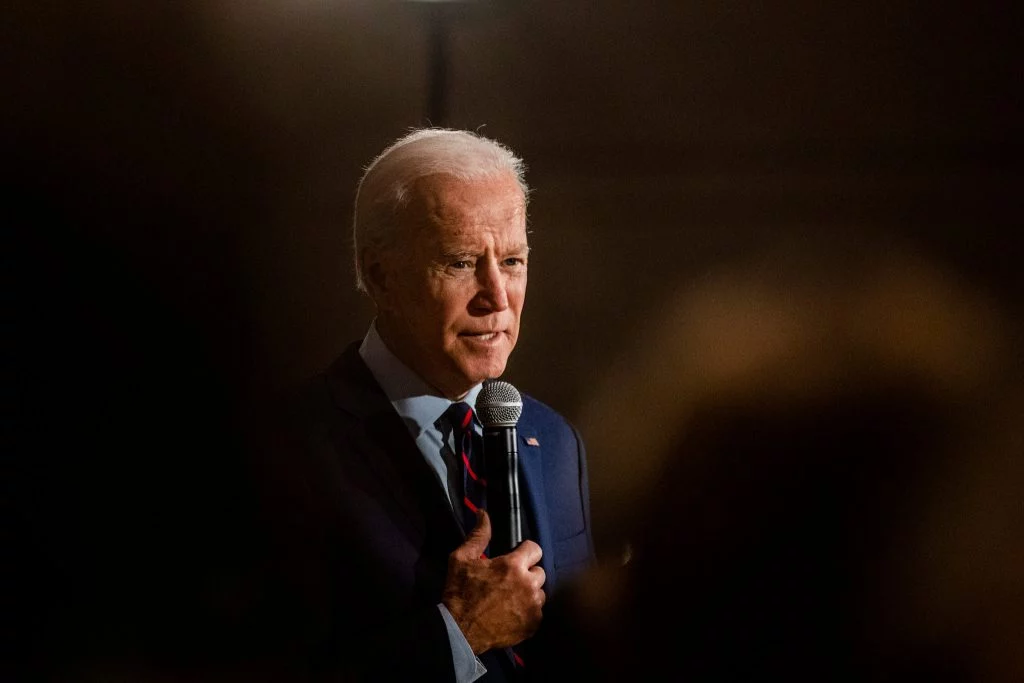
With all this said, the environmental challenges ahead are many.
Vitalis seeks to assist those actions to support the conservation of America’s environment and natural resources. We are convinced that a cleaner environment supports a stronger economy, as the basis for sustainable development.
Vitalis proposes to not wait for the government to take action. We should act together as workers, officials, influencers, journalists, entrepreneurs, scientists, professors, citizens of the public, and the private sector. We all made stronger by working together, for a sustainable future.
We hope that the president-elect’s promises will be fulfilled. From civil society, we will be aware of these environmental issues of importance for the United States of America, and for the entire planet.
(*) More information about Vitalis here www.vitalis.net. Social networks @ONGVitalis. Email: info@vitalis.net
Pictures courtesy of the New York Times.
]]>Así lo dio a conocer Diego Díaz Martín, Director General para la Américas de VITALIS, quien afirma que el cambio climático y la intensificación de los fenómenos atmosféricos, el creciente deterioro del agua, los suelos y el aire, la pérdida de biodiversidad y el consumo insostenible, podrían ser grandes dolores de cabeza para el magnate norteamericano, por las implicaciones económicas que conllevan.
Para comenzar, la potencia estadounidense acumula 40% de la deuda climática mundial por los daños causados en el ambiente, según un estudio difundido por la revista “Nature Climate Change”. Recordemos que Estados Unidos es el segundo productor más importante de gases de efecto invernadero del planeta y basa 86% de su producción energética de fuentes fósiles.
De acuerdo con Díaz Martín, las consecuencias del cambio climático en Estados Unidos son y serán cada vez más evidentes, no solo por la intensificación de las sequías, sino por la variabilidad climática que traerá calores y fríos extremos al gigante del norte, con incendios forestales más intensos y extensos, además de inundaciones que incrementarían las grandes pérdidas económicas, hoy en día estimadas en más de $8 mil millones de dólares al año.
Pese a la incredulidad de Trump frente al cambio climático, los fenómenos atmosféricos no se quedarán atrás, pues en la medida en que el clima cambia, los tornados y huracanes también se incrementarán, como se ha venido observando desde la década de 1980 en el Atlántico Norte.
En materia forestal, el líder de VITALIS señala que Estados Unidos ha perdido alrededor de 20% de sus bosques, quedando menos de 4% de sus ecosistemas nativos. Hoy en día la extensión de la cobertura forestal oscila en 30%, cifra que se ha mantenido estable durante las dos últimas décadas, y que deben ser reforzadas para evitar su retroceso.
En cuanto al agua, datos de la Asociación Estadounidense de Ingenieros Civiles refieren que este país cuenta con cerca de 170,000 sistemas públicos de agua potable que sirven a más de 264 millones de personas. Sin embargo, la eficiencia del sistema por la existencia de más de 240.000 roturas de tuberías de agua por año, ha llevado a la Agencia de Protección Ambiental (EPA) a estimar que el costo total de la renovación de las tuberías de agua y plantas de tratamiento costará alrededor de 384,000 millones de dólares, sin incluir el costo de mantenimiento de los sistemas actuales y las necesidades de una población creciente, lo cual podrá requerir cerca de un billón de dólares en los próximos 25 años.
Díaz Martín también refiere cifras del Servicio de Pesca y Vida Silvestre de los Estados Unidos que reflejan la existencia de al menos 1604 especies amenazadas, de las cuales 903 son plantas y 701 son animales. Entre las plantas más amenazadas se encuentran 866 especies de plantas con flores. En tanto que los animales que más amenaza enfrentan son los peces (164), las aves (100) y los mamíferos (96).
Adicional a lo anterior, el Programa de Conservación y Monitoreo de las Naciones Unidas (UNEP-WCMC) indica que el país ha perdido 15% de su biodiversidad, pese a que cuenta con 34,064 áreas protegidas que representa 13% del territorio.
En materia de contaminación, Trump, también enfrentará grandes retos, no sólo por la creciente degradación del aire, el agua y los suelos, en especial de las áreas urbanas, debido entre otras razones, a los patrones de consumo insostenible de la población estadounidense.
Por ejemplo, en residuos y desechos, de acuerdo con la Agencia de Protección Ambiental de Estados Unidos, este país ocupa el primer lugar en mayor producción per cápita de basura en el mundo, cercano a 2 kilogramos por persona al día, aunque otras fuentes del sector académico indican que este número podría ascender hasta un poco más de 3 kg por habitante.
En basura electrónica, es conocido que la nación norteamericana produce más de 3 millones de toneladas que terminan en rellenos sanitarios sin ningún tipo de tratamiento, con las subsecuentes consecuencias de su mala disposición.
Lo mismo ocurre con toneladas de compuestos químicos utilizados en el sector agrícola, como los pesticidas y fertilizantes, cuyas consecuencias se perciben no solo en los suelos, sino también en el agua.
Díaz Martín recuerda que Donald Trump nunca se ha identificado como ambientalista, y la verdad cree que jamás lo hará. Sin embargo, como máxima autoridad ejecutiva del país, el empresario estadounidense también será el máximo responsable del comportamiento ambiental del gobierno federal, razón por la cual tendrá que revisar esta materia con mayor seriedad y velar así por los intereses de todos los norteamericanos.
]]>